cameracomparison · 2-way
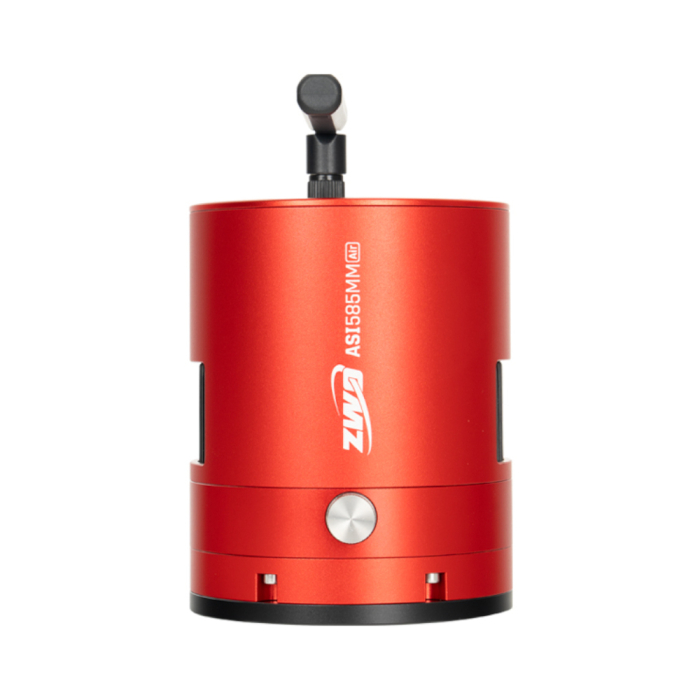
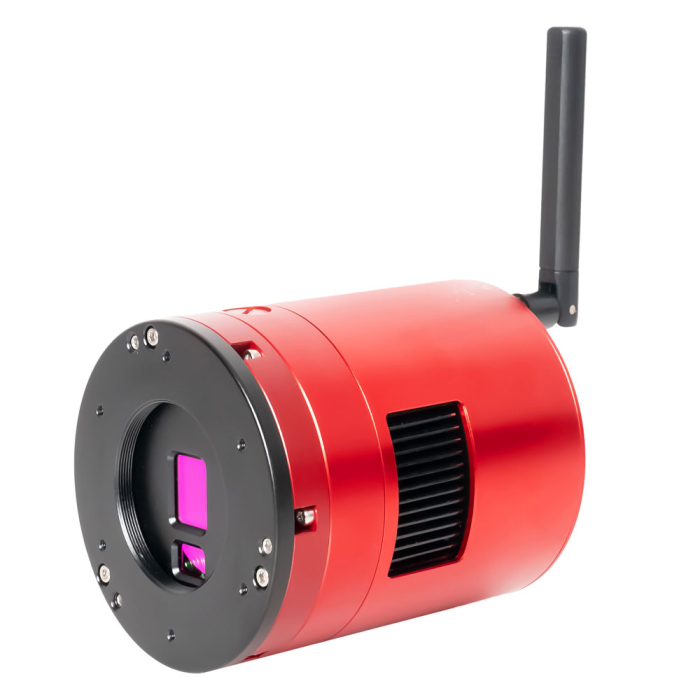
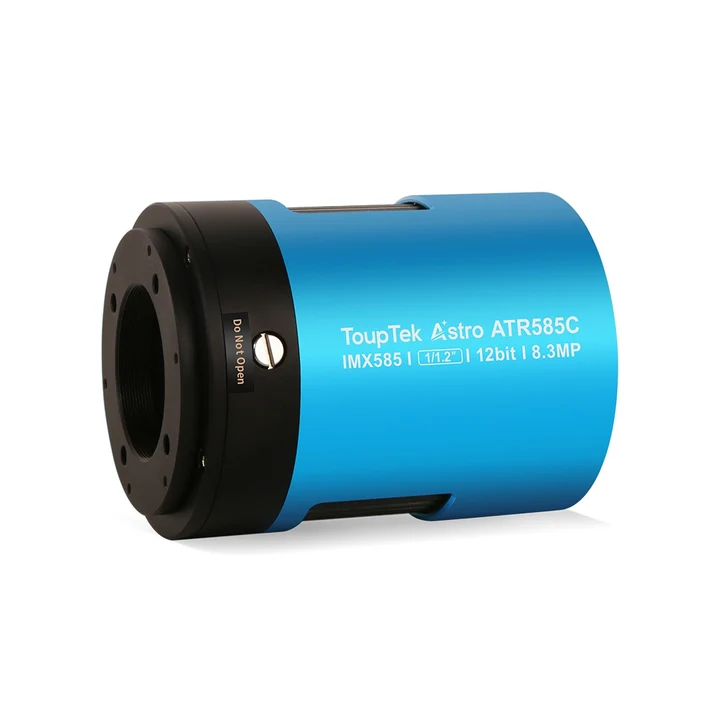
ZWO ASI585MM Pro vs ToupTek ATR585M
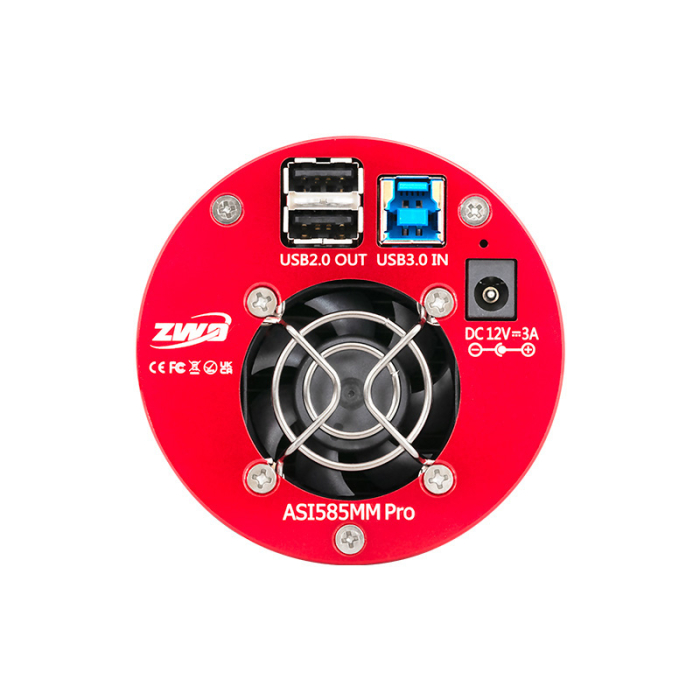
ZWO
ASI585MM Pro
A strong fit for dedicated deep-sky imagers pairing with longer focal lengths where framing is tight.
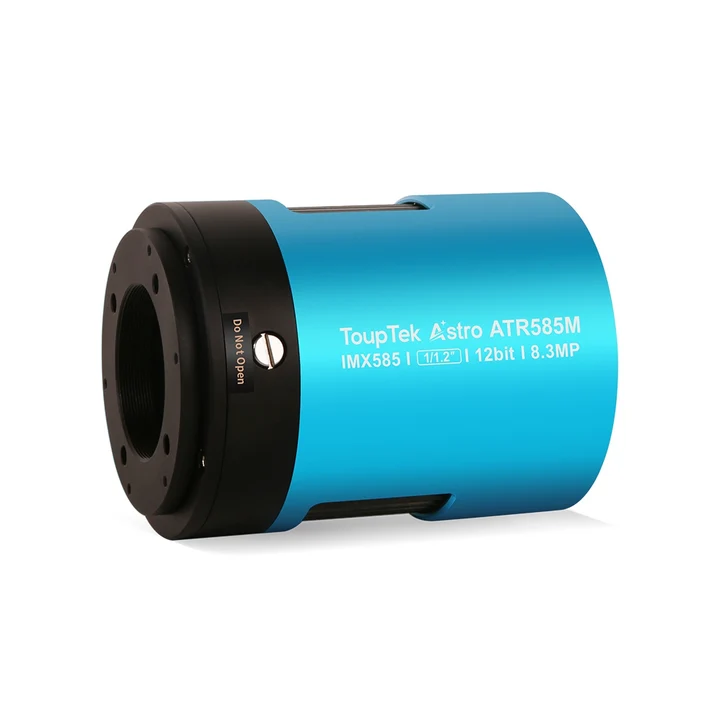
ToupTek
ATR585M
A strong fit for dedicated deep-sky imagers pairing with longer focal lengths where framing is tight.
Specifications
| Specification | ZWO ASI585MM Pro | ToupTek ATR585M |
|---|---|---|
| Sensor | ||
| Type | Dedicated Cooled | Dedicated Cooled |
| Sensor | Sony IMX585 | Sony IMX585 |
| Sensor tech | CMOS | CMOS |
| Format | 1/1.2-inch | 1/1.2-inch |
| Sensor size | 11.1×6.3mm | 11.1×6.3mm |
| Diagonal | 12.8mm | 12.8mm |
| Pixel size | 2.90µm | 2.90µm |
| Resolution | 3840×2160 | 3840×2160 |
| Megapixels | 8.3MP | 8.3MP |
| Color | No | No |
| Cooling | ||
| Cooled | Yes | Yes |
| Performance | ||
| Full well | 38700e⁻ | — |
| Peak QE | 91% | 91% |
Advantages of ZWO ASI585MM Pro
Closely matched on the compared specs.
Advantages of ToupTek ATR585M
Closely matched on the compared specs.
Best for — ZWO ASI585MM Pro
- Longer focal lengths — tighter framing on small targets
- Well-sampled deep-sky at medium focal lengths
- Long-exposure deep-sky under any sky
- Narrowband and LRGB workflows
Best for — ToupTek ATR585M
- Longer focal lengths — tighter framing on small targets
- Well-sampled deep-sky at medium focal lengths
- Long-exposure deep-sky under any sky
- Narrowband and LRGB workflows
ZWO ASI585MM Pro — typical FOV & scale
- On 250mm refractor (wide)FOV: 2.55° × 1.43°Scale: 2.39"/px
- On 800mm SCT reducerFOV: 0.80° × 0.45°Scale: 0.75"/px
- On 2000mm SCT nativeFOV: 0.32° × 0.18°Scale: 0.30"/px
ToupTek ATR585M — typical FOV & scale
- On 250mm refractor (wide)FOV: 2.55° × 1.43°Scale: 2.39"/px
- On 800mm SCT reducerFOV: 0.80° × 0.45°Scale: 0.75"/px
- On 2000mm SCT nativeFOV: 0.32° × 0.18°Scale: 0.30"/px
ZWO ASI585MM Pro — recommended user
A strong fit for dedicated deep-sky imagers pairing with longer focal lengths where framing is tight.
ToupTek ATR585M — recommended user
A strong fit for dedicated deep-sky imagers pairing with longer focal lengths where framing is tight.