telescopecomparison · 2-way
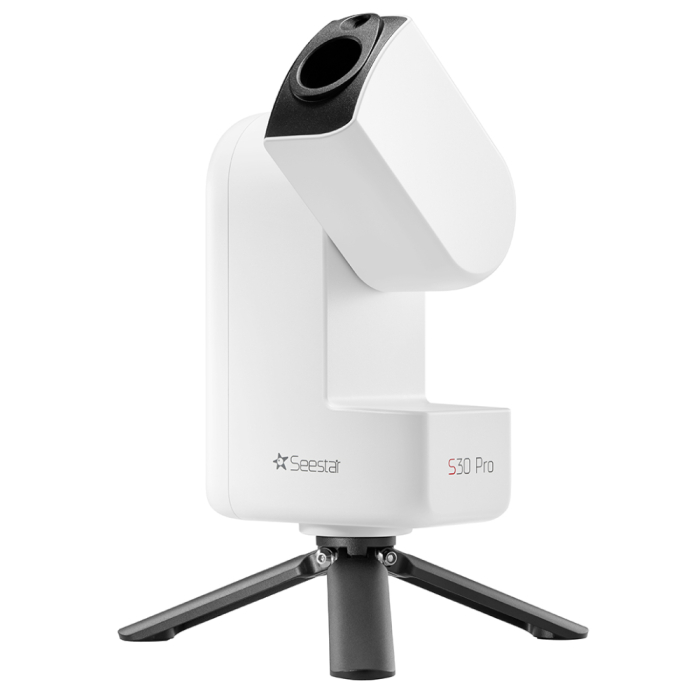
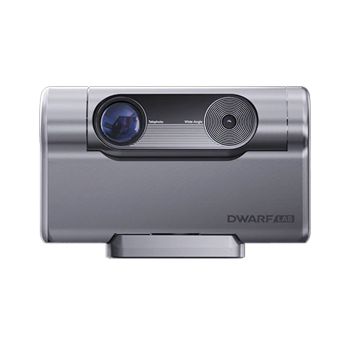
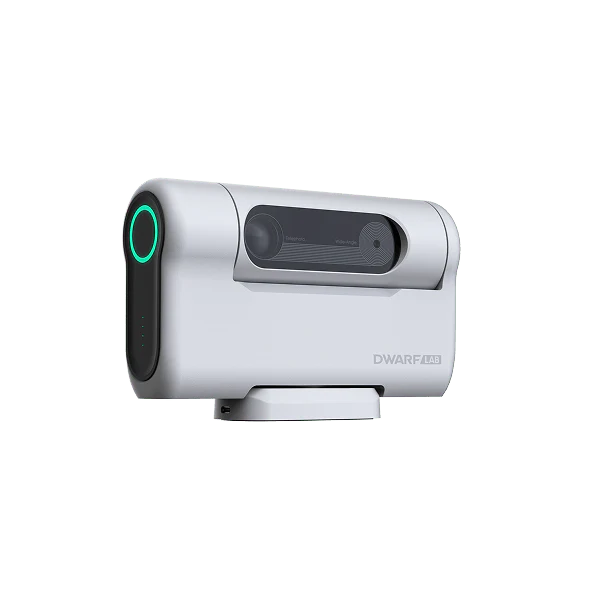
DwarfLab Dwarf Mini vs ZWO Seestar S30
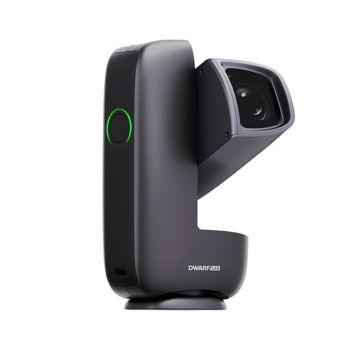
DwarfLab
Dwarf Mini
Best suited for beginners and wide-field enthusiasts running a portable travel rig.
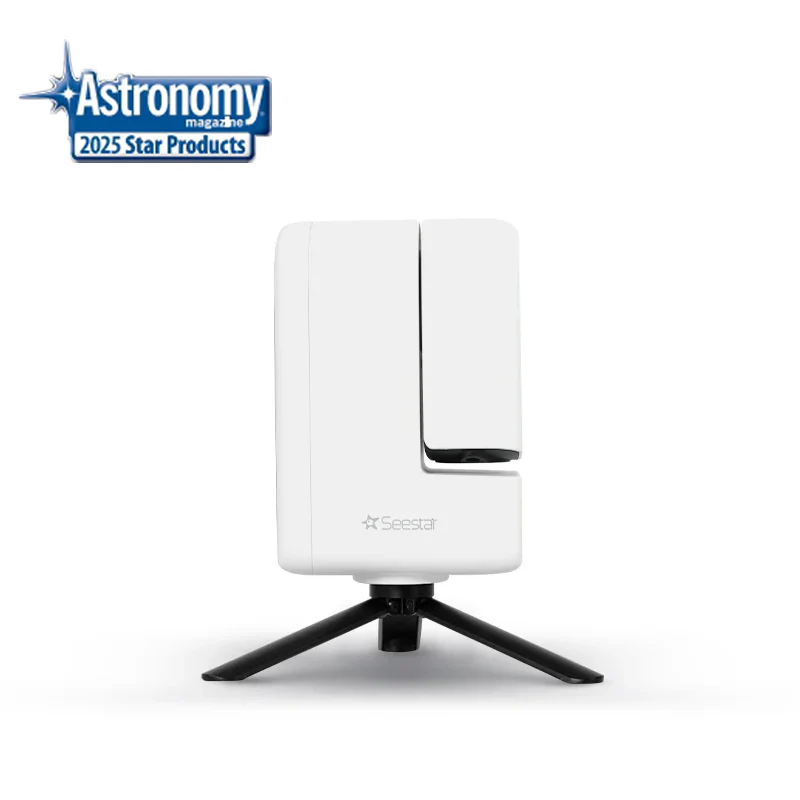
Specifications
| Specification | DwarfLab Dwarf Mini | ZWO Seestar S30 |
|---|---|---|
| Optics | ||
| Type | smart-telescope | smart-telescope |
| Optical design | Smart all-in-one | Apo triplet all-in-one |
| Aperture | 30mm | 30mm |
| Focal length | 150mm | 150mm |
| Native f/ratio | f/5.0 | f/5.0 |
| Image circle | — | — |
| Full-frame support | No | No |
| Physical | ||
| Weight | 0.8kg | 1.6kg |
Advantages of DwarfLab Dwarf Mini
- Lighter (0.84kg vs 1.65kg) — easier to travel with
Advantages of ZWO Seestar S30
Closely matched on the compared specs.
Best for — DwarfLab Dwarf Mini
- Wide-field nebulae and Milky Way regions
- Fast imaging — short exposures per sub
Best for — ZWO Seestar S30
- Wide-field nebulae and Milky Way regions
- Fast imaging — short exposures per sub
DwarfLab Dwarf Mini — typical FOV & scale
- With Full-frame (36×24mm, 3.76µm)FOV: 13.75° × 9.17°Scale: 5.17"/px
- With APS-C (23.5×15.7mm, 3.76µm)FOV: 8.98° × 6.00°Scale: 5.17"/px
- With IMX533 square (11.3×11.3mm, 3.76µm)FOV: 4.32° × 4.32°Scale: 5.17"/px
ZWO Seestar S30 — typical FOV & scale
- With Full-frame (36×24mm, 3.76µm)FOV: 13.75° × 9.17°Scale: 5.17"/px
- With APS-C (23.5×15.7mm, 3.76µm)FOV: 8.98° × 6.00°Scale: 5.17"/px
- With IMX533 square (11.3×11.3mm, 3.76µm)FOV: 4.32° × 4.32°Scale: 5.17"/px
DwarfLab Dwarf Mini — recommended user
Best suited for beginners and wide-field enthusiasts running a portable travel rig.
ZWO Seestar S30 — recommended user
Best suited for beginners and wide-field enthusiasts running a portable travel rig.