telescopecomparison · 2-way
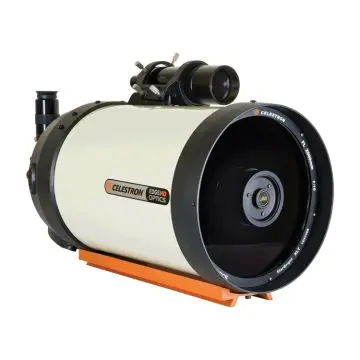
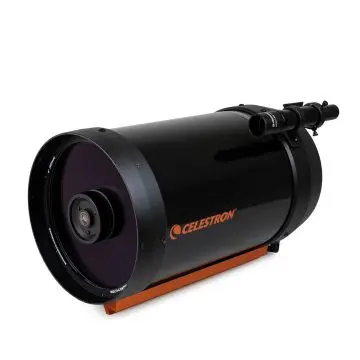
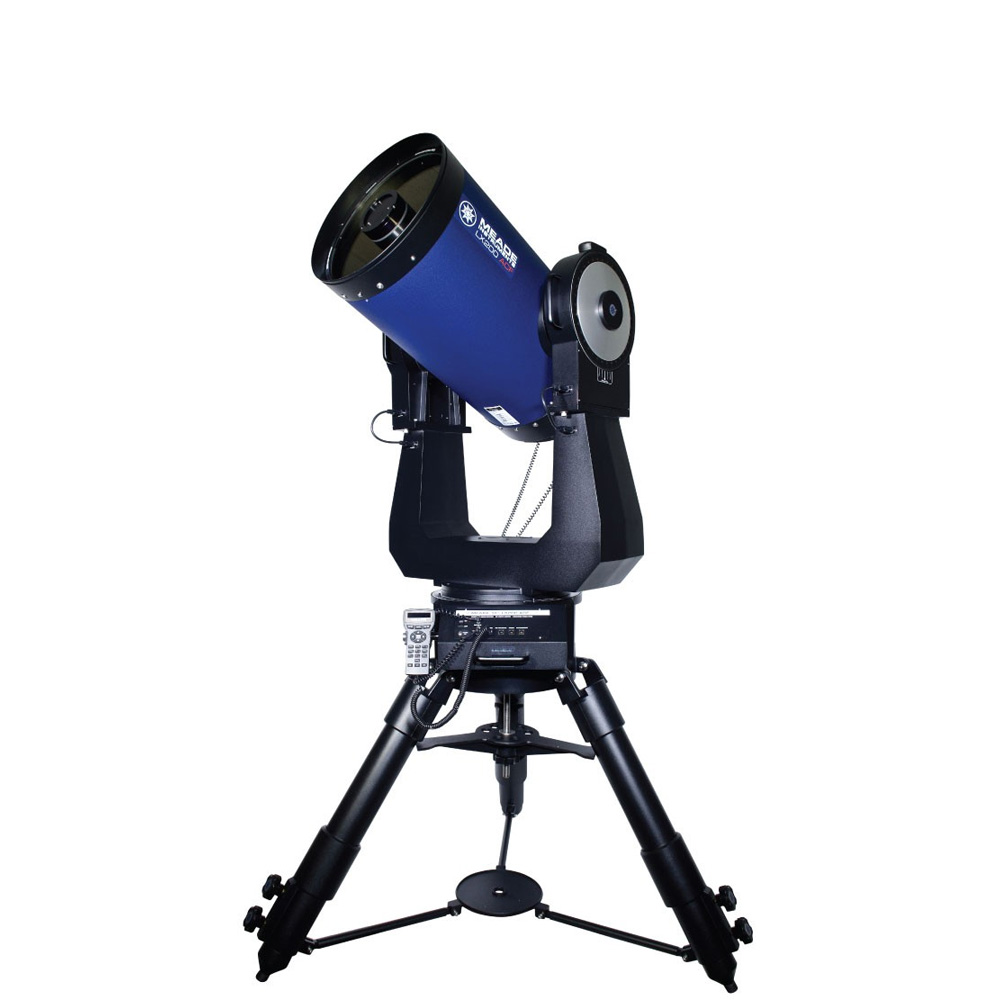
Astro-Tech AT8RC vs TEC APO200FL f/8
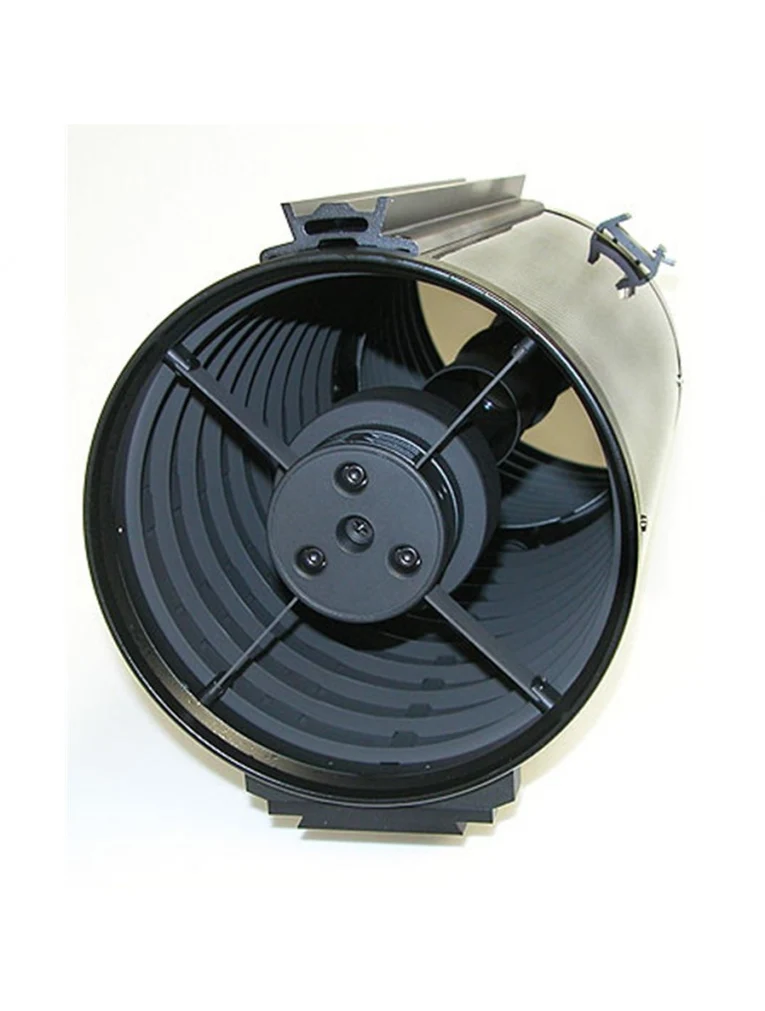
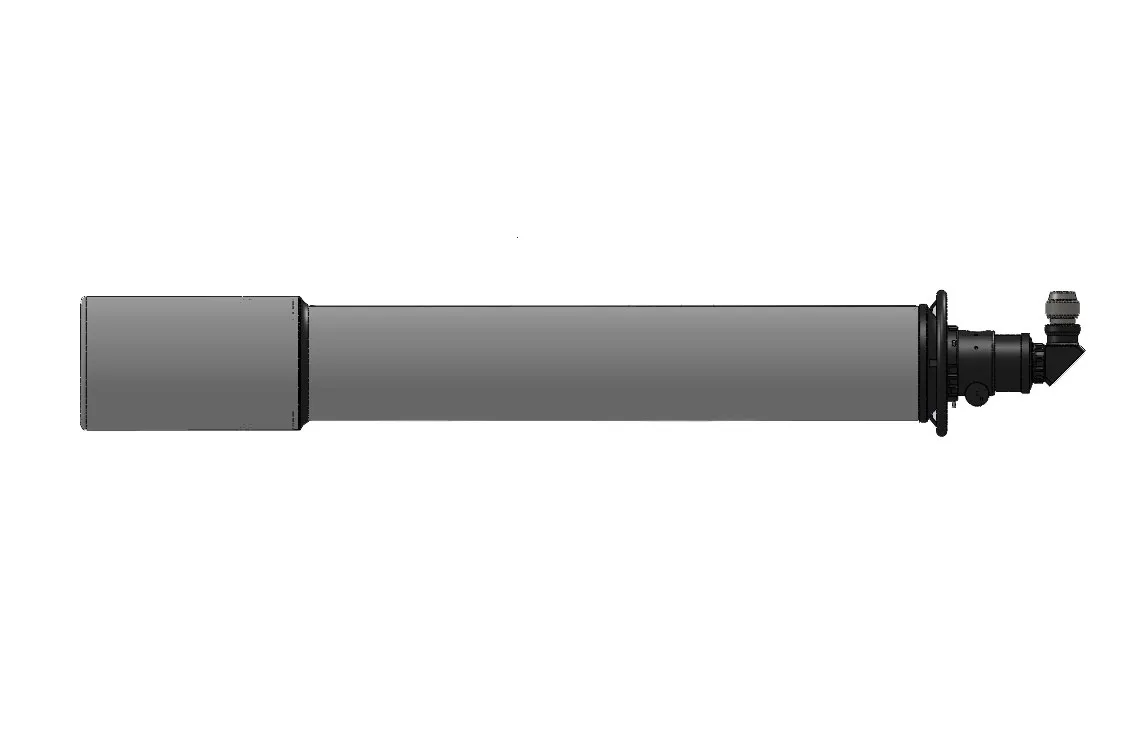
TEC
APO200FL f/8
Best suited for experienced imagers chasing detail running a permanent observatory setup.
Specifications
| Specification | Astro-Tech AT8RC | TEC APO200FL f/8 |
|---|---|---|
| Optics | ||
| Type | RC | refractor |
| Optical design | Ritchey-Chrétien | Apo triplet fluorite |
| Aperture | 203mm | 200mm |
| Focal length | 1624mm | 1600mm |
| Native f/ratio | f/8.0 | f/8.0 |
| Image circle | 42mm | — |
| Full-frame support | Yes | No |
| Physical | ||
| Weight | 10.0kg | 22.7kg |
Advantages of Astro-Tech AT8RC
- Larger image circle (42mm) — supports bigger sensors
- Lighter (10kg vs 22.7kg) — easier to travel with
Advantages of TEC APO200FL f/8
Closely matched on the compared specs.
Best for — Astro-Tech AT8RC
- Small galaxies, planetary nebulae, lunar & planetary detail
- High-resolution long-exposure work
- Faint-object imaging under dark skies
- Full-frame astro cameras and DSLRs
Best for — TEC APO200FL f/8
- Small galaxies, planetary nebulae, lunar & planetary detail
- High-resolution long-exposure work
- Faint-object imaging under dark skies
Astro-Tech AT8RC — typical FOV & scale
- With Full-frame (36×24mm, 3.76µm)FOV: 1.27° × 0.85°Scale: 0.48"/px
- With APS-C (23.5×15.7mm, 3.76µm)FOV: 0.83° × 0.55°Scale: 0.48"/px
- With IMX533 square (11.3×11.3mm, 3.76µm)FOV: 0.40° × 0.40°Scale: 0.48"/px
TEC APO200FL f/8 — typical FOV & scale
- With Full-frame (36×24mm, 3.76µm)FOV: 1.29° × 0.86°Scale: 0.48"/px
- With APS-C (23.5×15.7mm, 3.76µm)FOV: 0.84° × 0.56°Scale: 0.48"/px
- With IMX533 square (11.3×11.3mm, 3.76µm)FOV: 0.40° × 0.40°Scale: 0.48"/px
Astro-Tech AT8RC — recommended user
Best suited for experienced imagers chasing detail running a backyard imaging setup.
TEC APO200FL f/8 — recommended user
Best suited for experienced imagers chasing detail running a permanent observatory setup.